
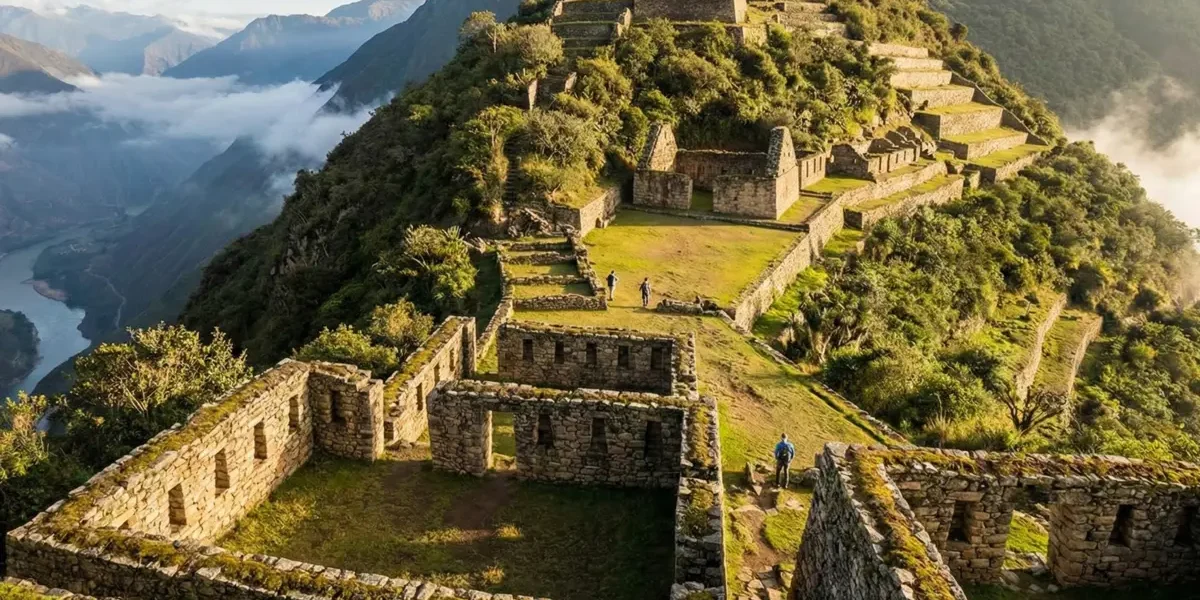
Temporary Suspension of Visits to Choquequirao Due to Climatic Risks
The Ministry of Culture has officially announced the complete restriction of tourism to this iconic archaeological complex in Cusco. This strict preventive measure will come into effect on February 1, 2026, at which point access via all traditional routes leading to the citadel will be prohibited. The fundamental objective of this mandate is to safeguard the lives and safety of both national and international tourists, as well as local residents who travel through the area, in light of the forecast for heavy rains in the Peruvian highlands.
Technical Grounds for the Closure
The decision to temporarily close the Choquequirao Archaeological Park is not arbitrary; it is based on a meticulous vulnerability analysis. Following a multisectoral meeting convened by the Decentralized Directorate of Culture (DDC) of Cusco, technical reports warning of terrain fragility were examined. These documents confirm that the trekking trails currently feature critical sections with a high probability of landslides and rockfalls that could leave visitors isolated.
Diego Pajares, the current executive director of the DDC Cusco, detailed that adverse weather conditions have caused accelerated deterioration of the bridle paths. Therefore, allowing tourist entry under this scenario would imply exposing them to unjustifiable danger.
Evaluation Schedule and Precautionary Measures
To mitigate the impact on the tourism sector and provide timely warning to travelers, a 15-day prior notice period has been established for mass dissemination. This period will serve to inform all travel agencies and operators regarding the restriction of access during the month of February.
Concurrently, a technical intervention has been organized in the area prior to the total closure. From January 23 to 27, an official commission will travel to the site to carry out a collegiate field verification. This group will consist of risk management specialists, delegates from the Regional Government, and local authorities, who will evaluate the state of the road infrastructure in situ.
The scheduled tasks include:
- Structural Assessment: Inspection of the condition of bridges and pedestrian paths.
- Maintenance Plan: Identification of areas requiring immediate repairs.
- Disaster Prevention: Design of strategies to minimize the impact of potential mudslides (huaycos) in the buffer zone.
Duration of the Measure and Reopening Expectations
The closure of access to Choquequirao will initially last for 30 calendar days. During this month of tourist inactivity, efforts will focus exclusively on preventive conservation work and constant monitoring of the weather conditions in the area.
The primary goal is to establish a joint “Roadmap” that assigns clear duties and specific deadlines to restore safety to the route. The reopening of the archaeological site will be considered only when the necessary guarantees for safe transit are in place.
Inter-institutional Coordination
This contingency plan has been made possible thanks to the collaboration of multiple organizations. The working sessions included the participation of the Regional Manager of Foreign Trade and Tourism (GERCETUR), the Regional Office of Disaster Risk Management, and the district municipalities of Mollepata and San Pedro de Cachora.
An essential ally in this strategy has been the Board of Directors of the Cachora Muleteers (Junta Directiva de Arrieros de Cachora), whose practical experience in the area has been vital in diagnosing the actual condition of the trails. Thanks to this articulated effort, it is expected that, following the rainy season, tourism in Choquequirao will resume, offering higher standards of safety and quality for visitors.